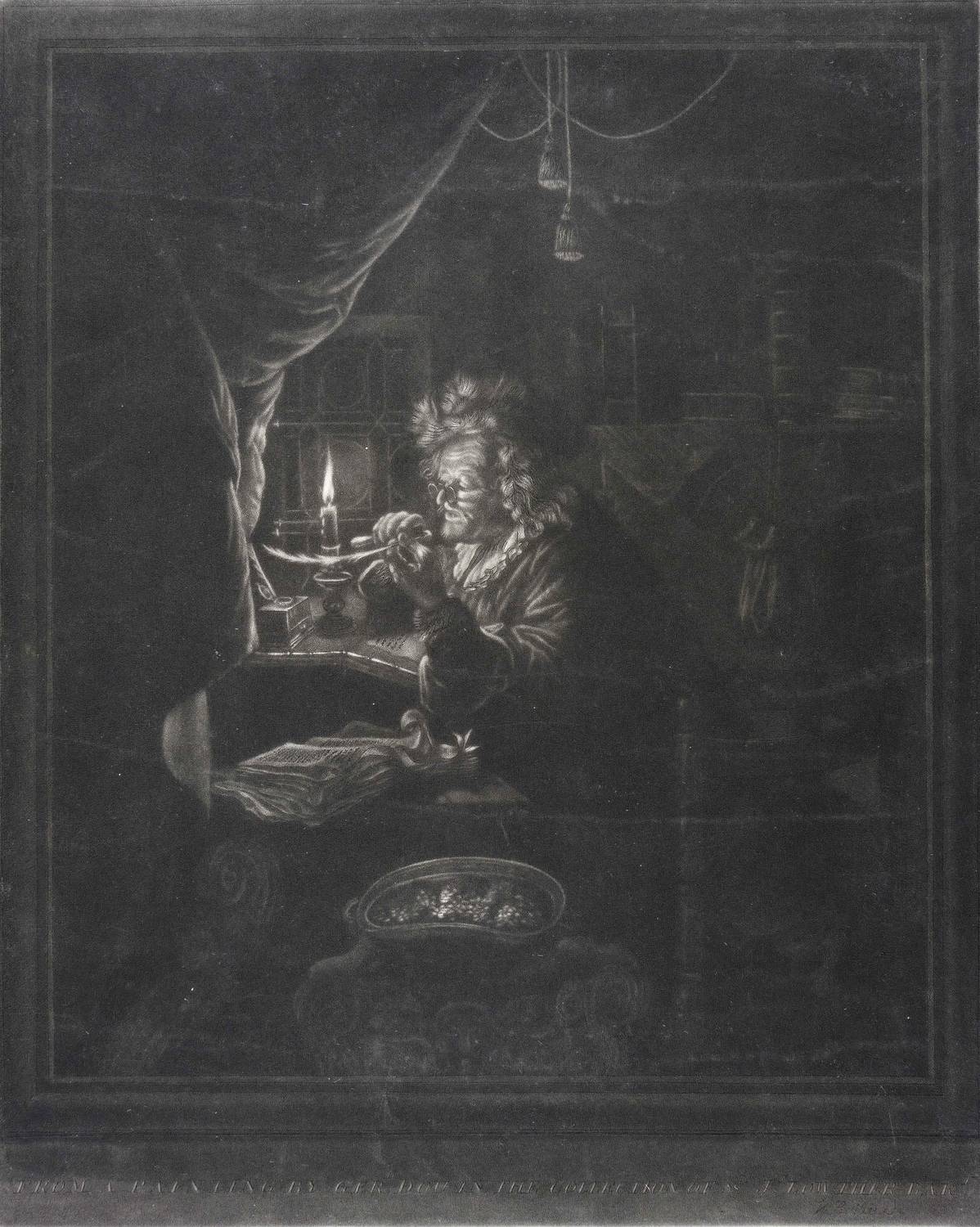
Baillie, William. – „Der Federschneider”.
Um 1770. Kupferstich / Mezzotinto. – 31,5 x 25,2 cm (Darstellung / Platte).
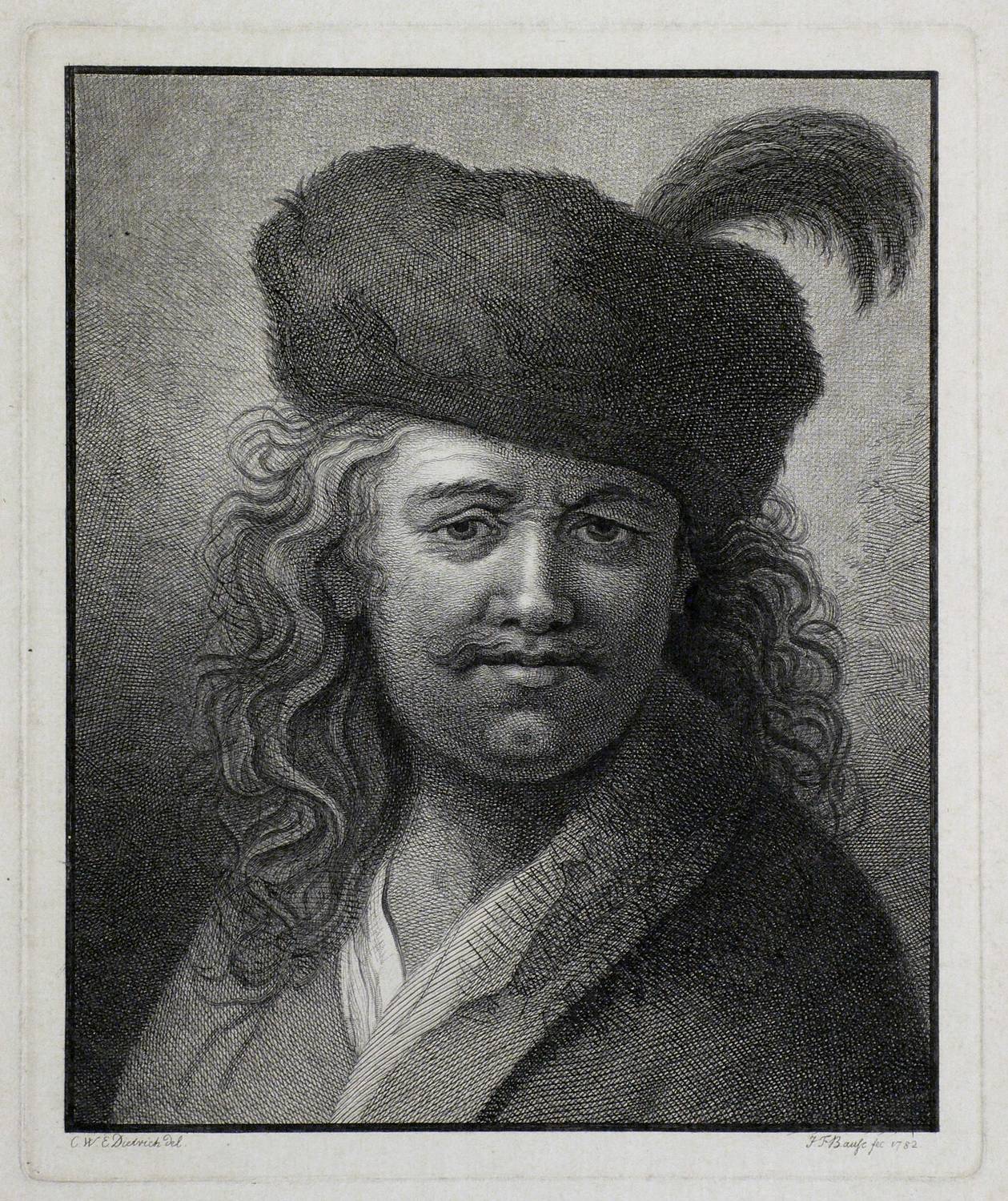
Bause, Johann Friedrich. – „Brustbild des Mannes mit Knebelbart und Mütze”.
1782. Radierung / Strichätzung & Grabstichel, in Schwarz, auf Velin. – 20,4 x 16,8 cm (Darstellung).
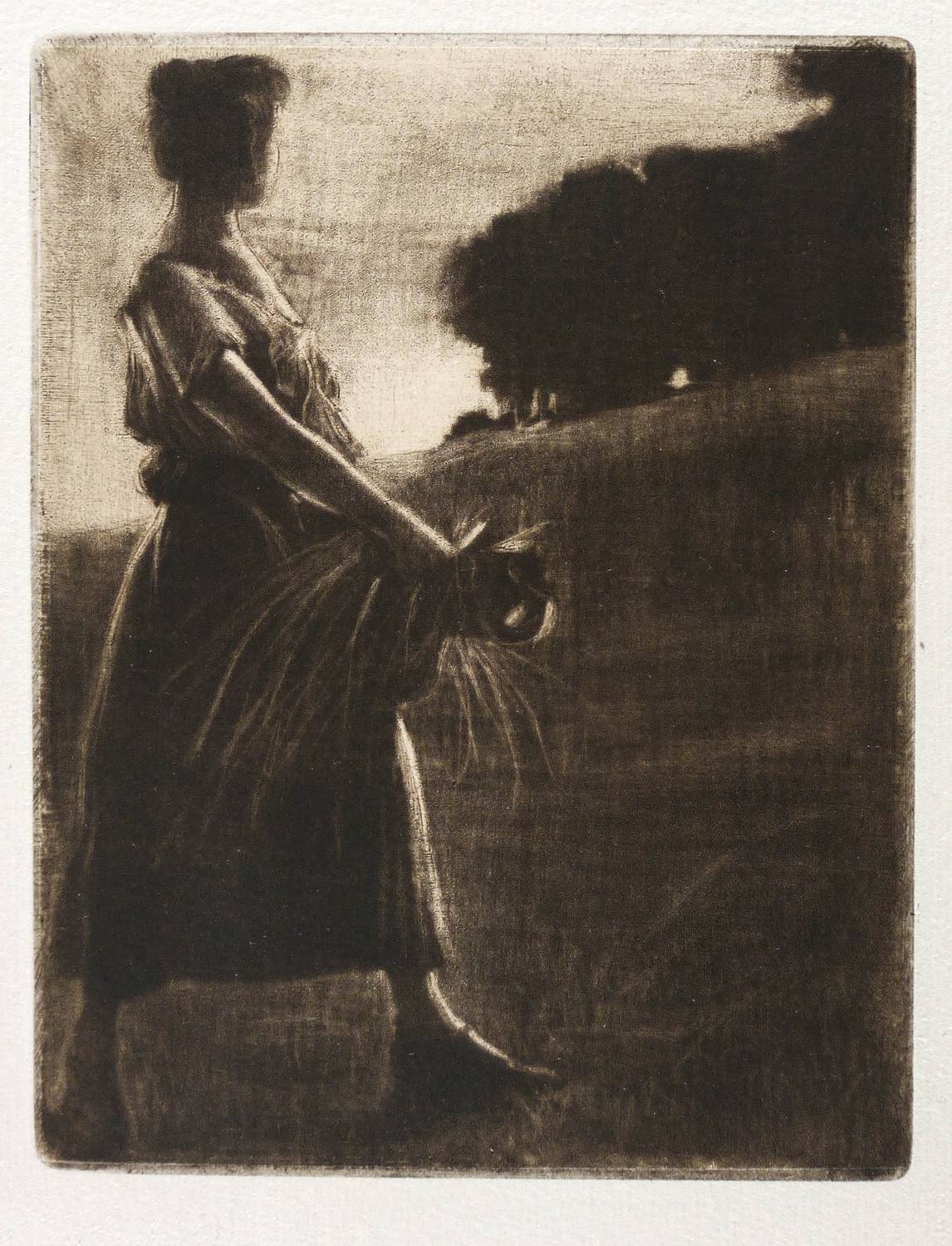
Erler, Georg. – „Ährensammlerin”.
1902. Mezzotinto / Schabkunstblatt, in Schwarzbraun, auf hellgrau-bläulichem Velin. – 18,0 x 13,9 cm (Darstellung / Platte).
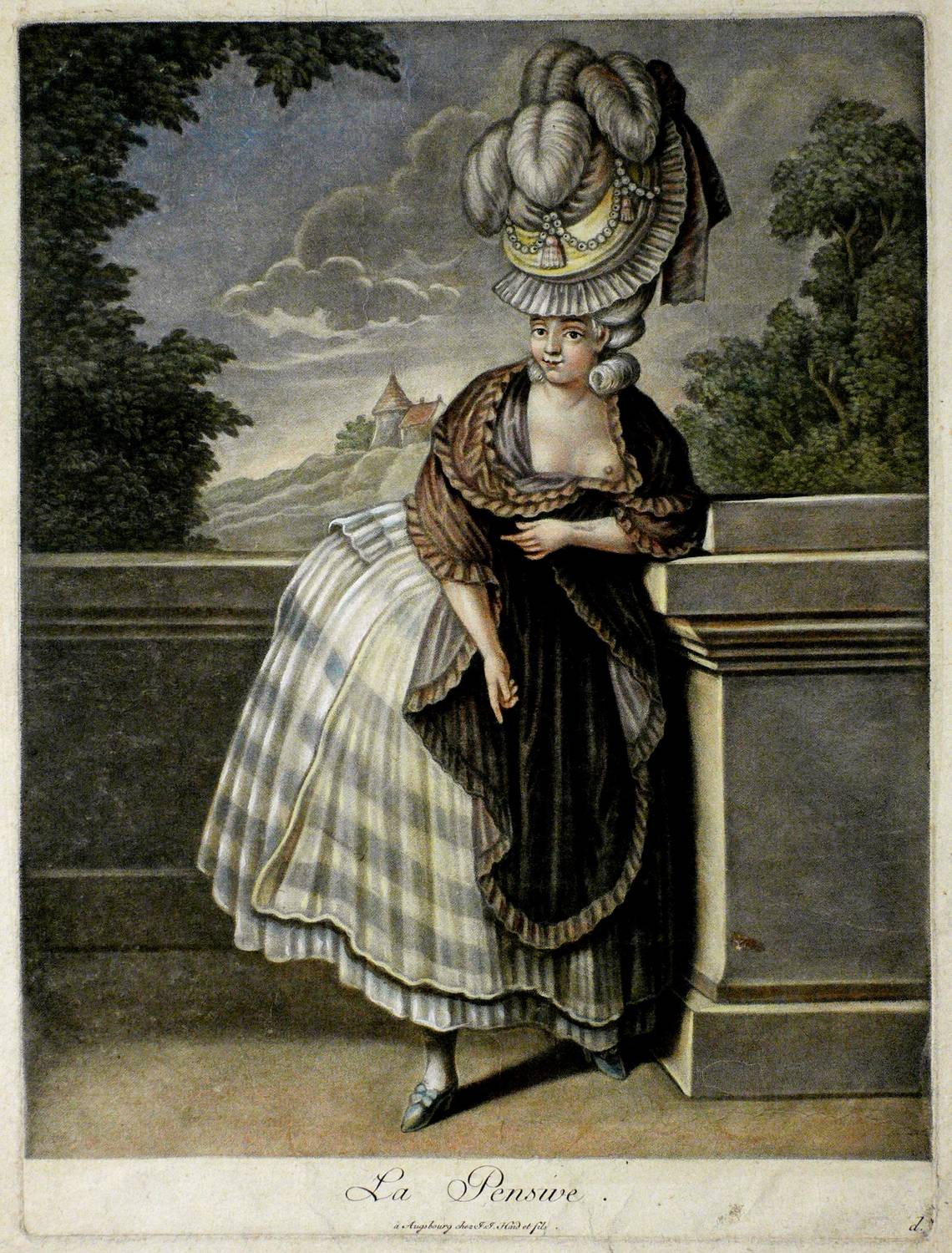
Haid, Johann Jacob. – „La Pensive (Die Nachdenkliche)”.
Um 1760. Mezzotinto / Schabkunstblatt, alt koloriert, mit Weißhöhungen. – 33,6 x 26,8 cm (Darstellung / Platte).
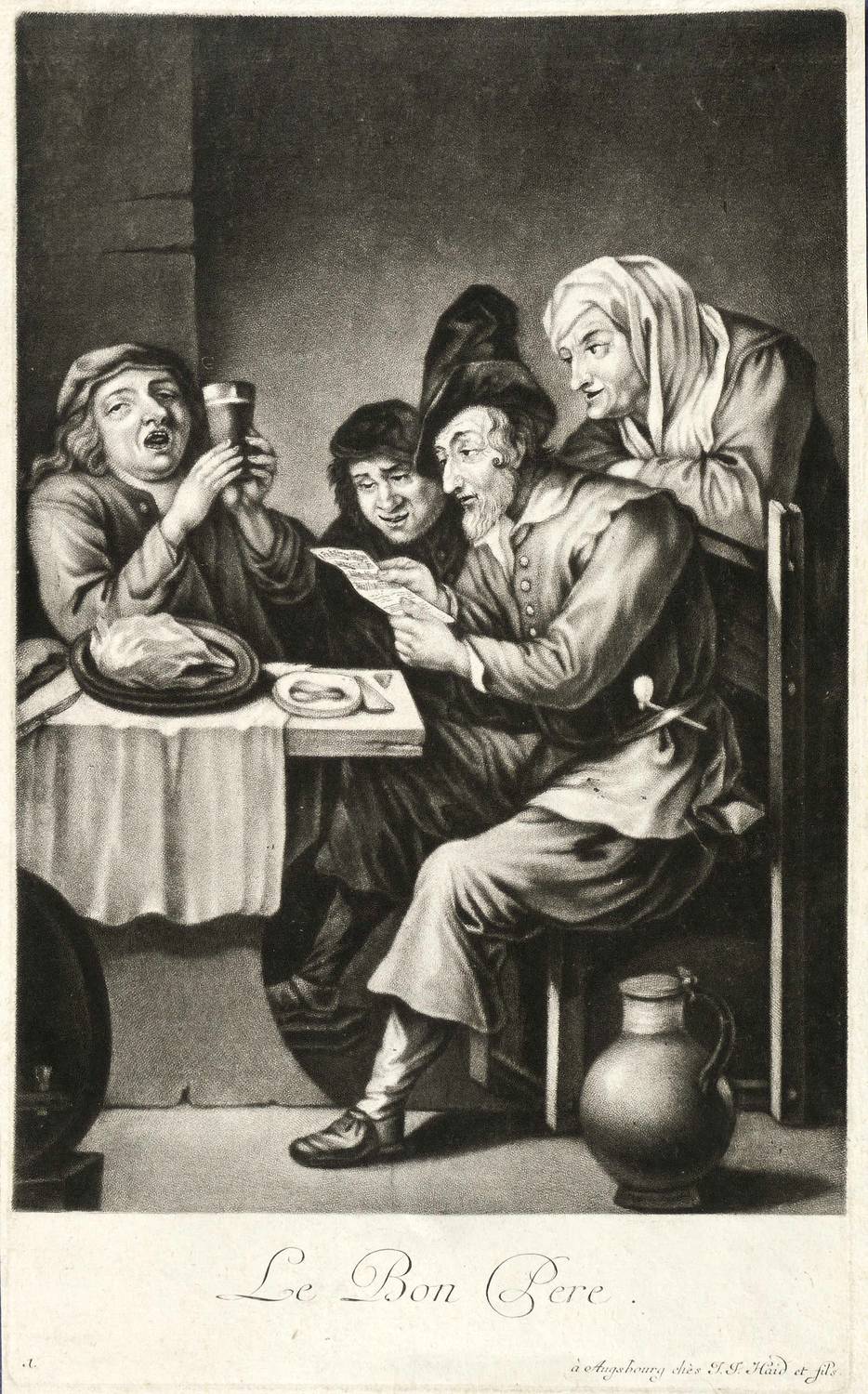
Haid, Johann Jacob. – „Le bon pere”.
1750-1759. Mezzotinto / Schabkunstblatt. – 30,5 x 18,6 cm (Darstellung / Platte).
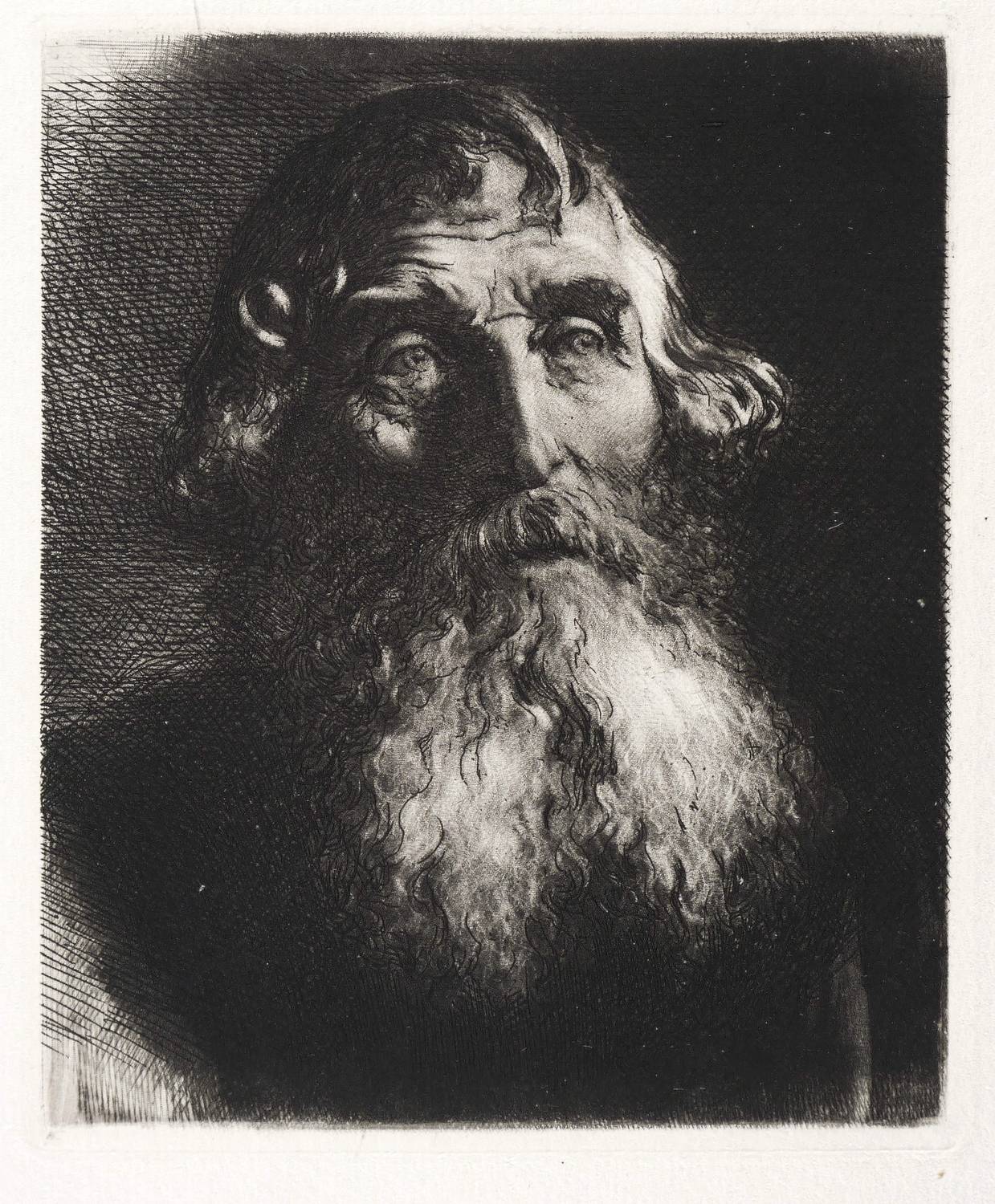
Herkomer, Hubert von. – „Bärtiger alter Mann (Studie)”.
Um 1895. Radierung / Roulette, Mezzotinto & Strichätzung, in Schwarz, auf kräftigemn hellgelbem Büttenkarton. – 14,3 x 11,9 cm (Darstellung / Druckbild).
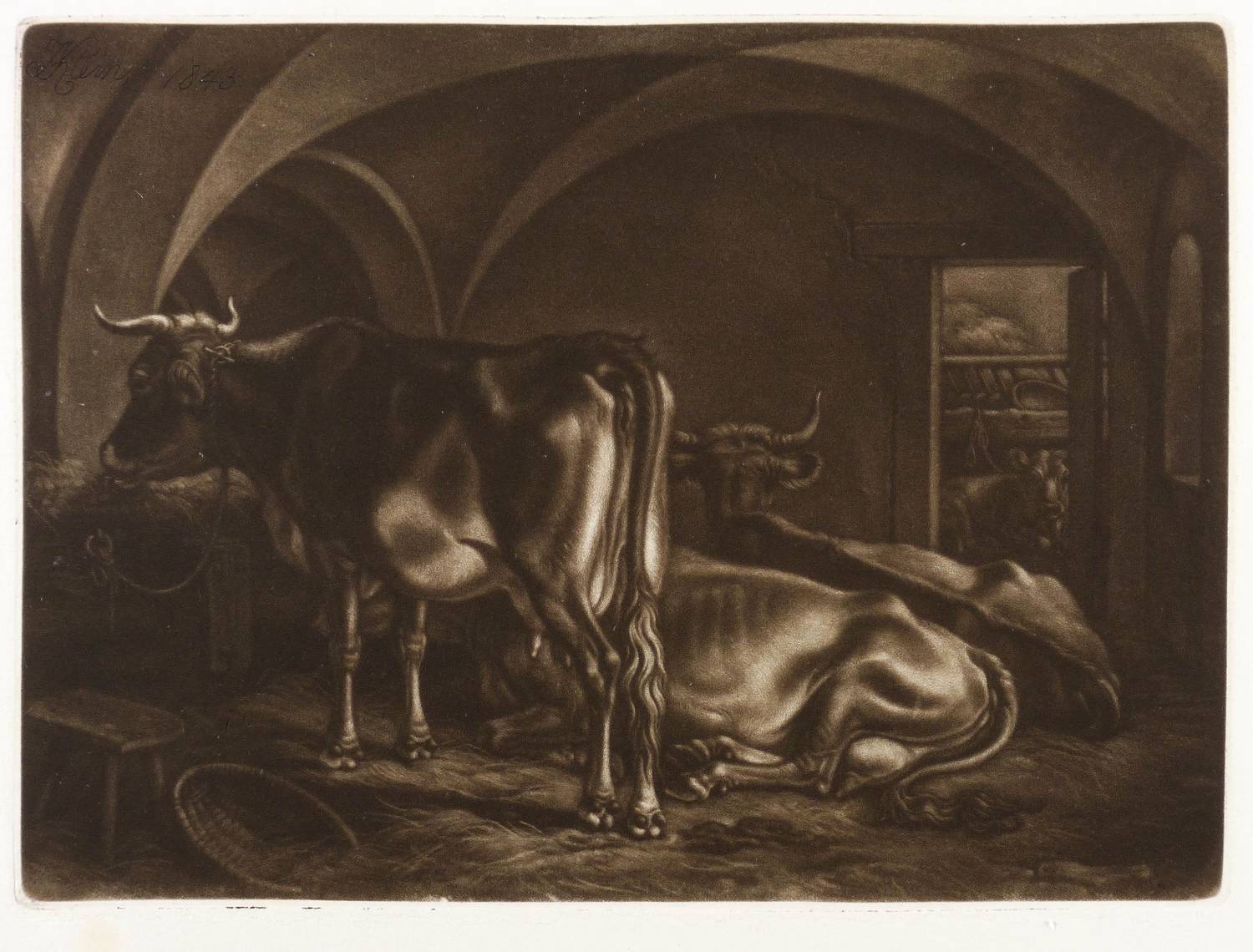
Klein, Johann Adam. – „Die drei Kühe im gewölbten Stall”.
1843. Mezzotinto / Schabkunstblatt, in Schwarzbraun, auf feinem weißem Velin. – 13,9 x 18,9 cm (Darstellung / Platte).
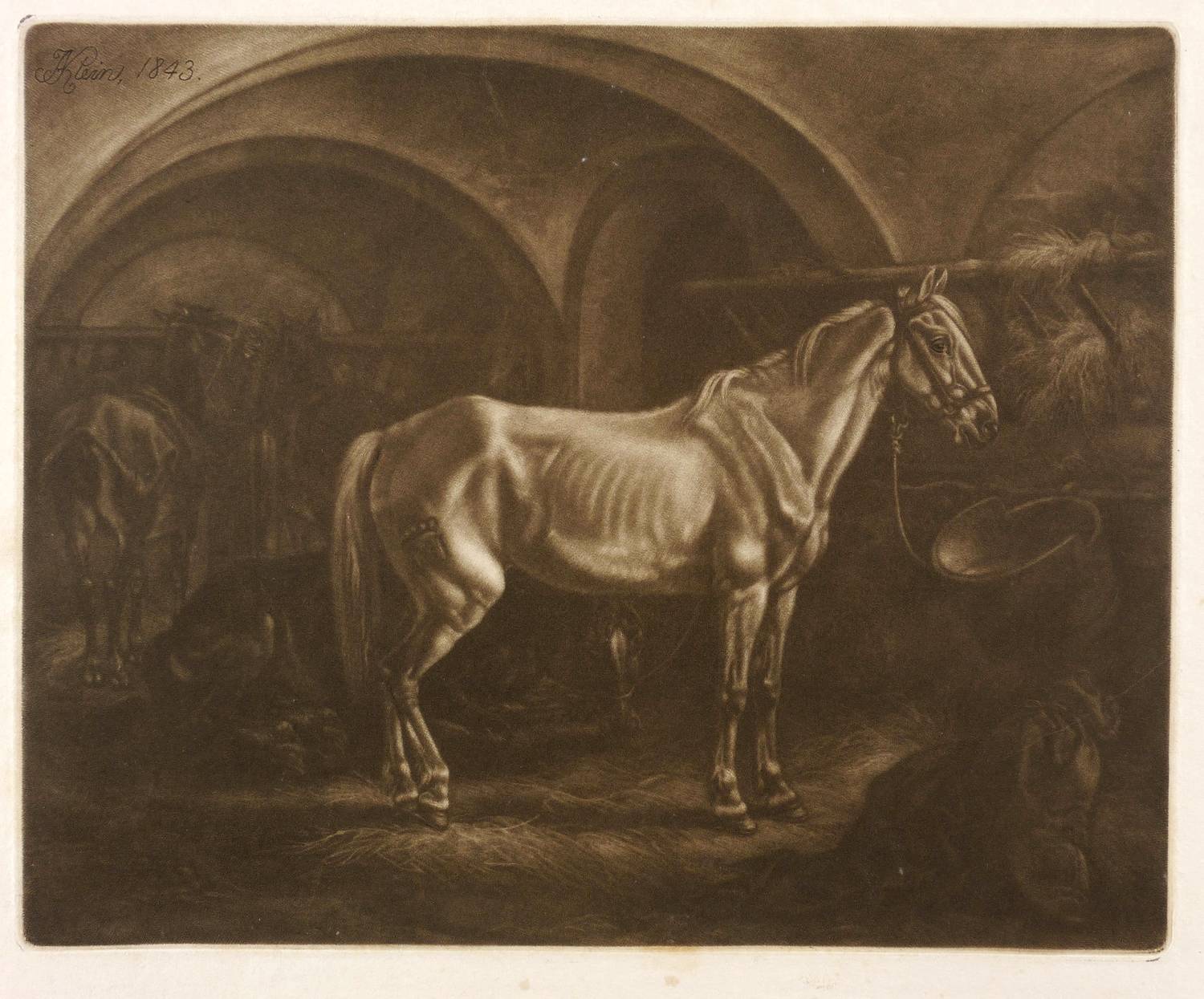
Klein, Johann Adam. – „Die Pferde im gewölbten Stall”.
1843. Mezzotinto / Schabkunstblatt, in Dunkelbarun, auf hellgelbem Velin. – 18,1 x 22,5 cm (Darstellung / Platte).
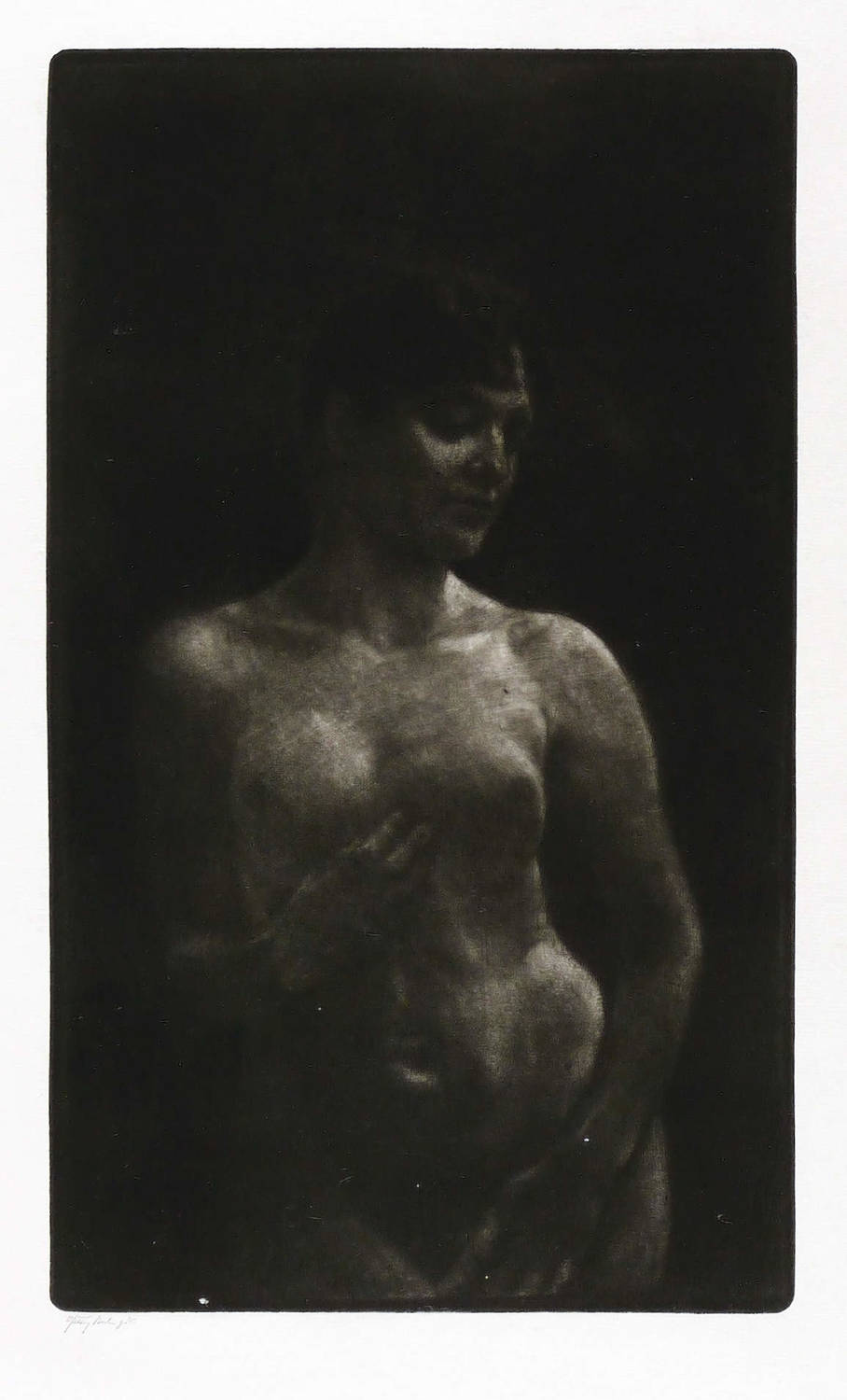
Klinger, Max. – „Weiblicher Akt in Schabkunst”.
1891. Mezzotinto / Schabkunstblatt, über Radierung, in Schwarz, auf feinem weißem Velin. – 28,6 x 17,0 cm (Darstellung / Platte).
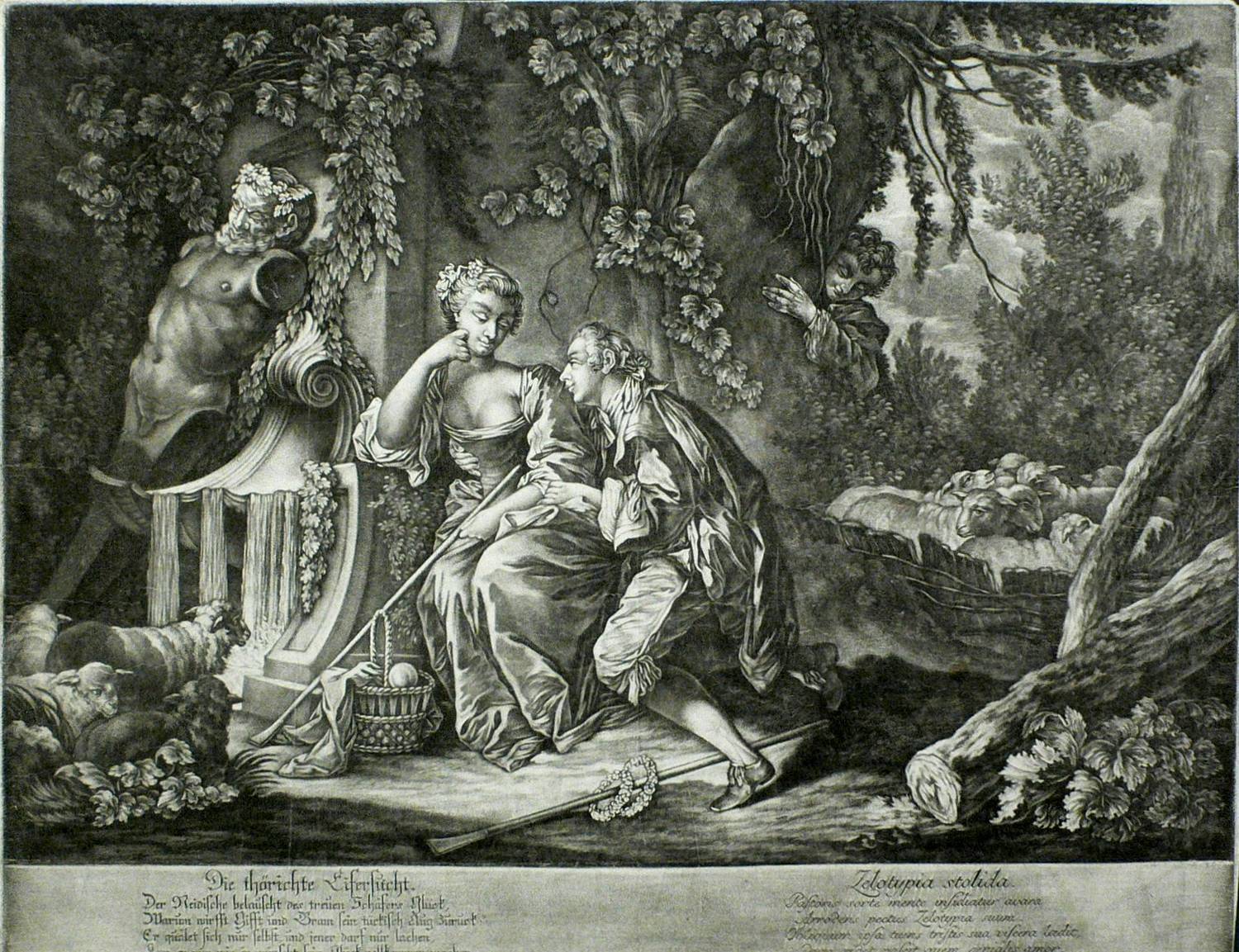
Ridinger, Johann Elias. – „Die thörichte Eifersucht. Zelotypia stolida”.
Um 1740. Mezzotinto / Schabkunstblatt, in Schwarz, auf kräftigem Bütten. – 42,3 x 54,4 cm (Darstellung / Platte).
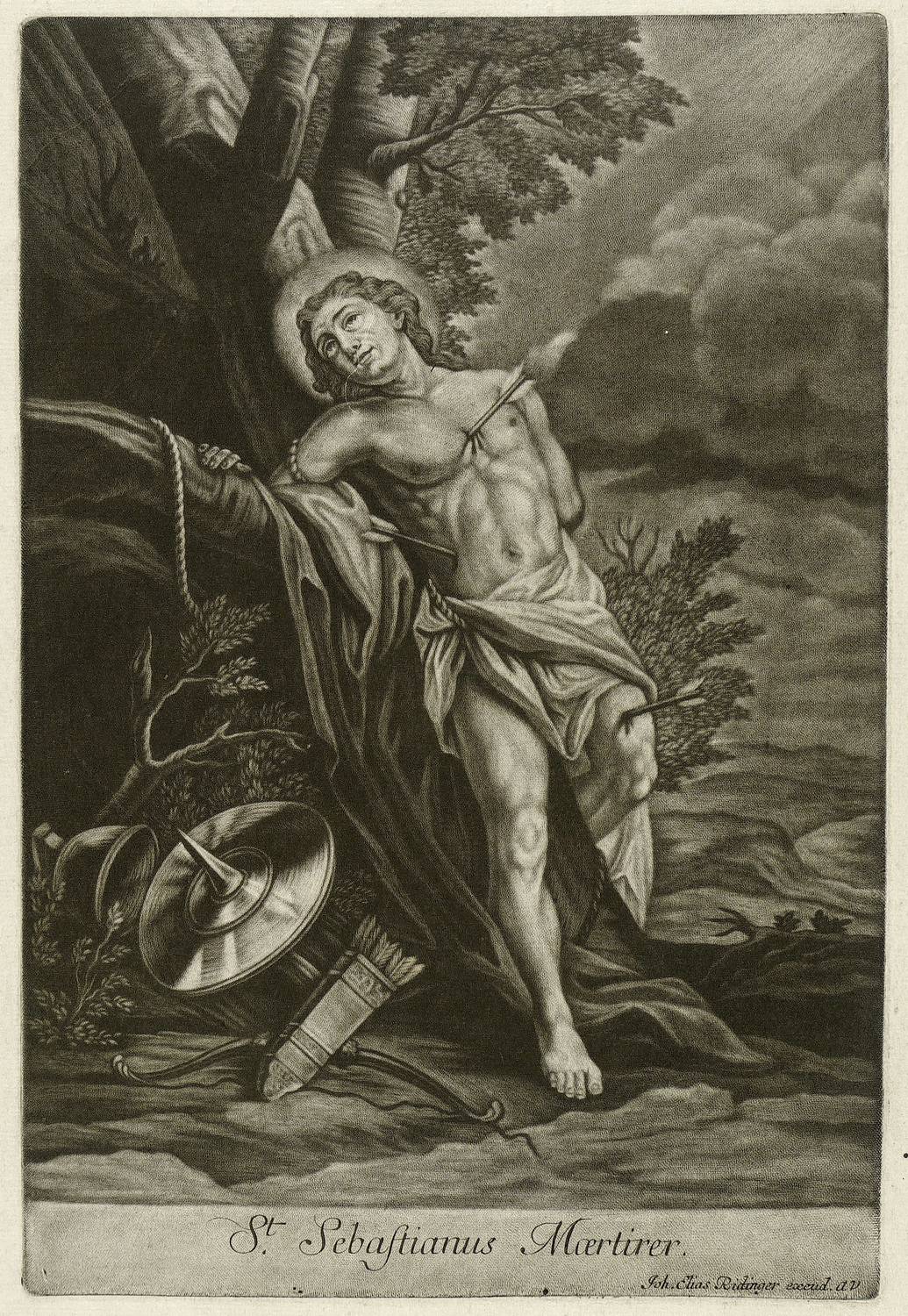
Ridinger, Johann Elias. – „St. Sebastianus Maertirer. Heiliger Sebastian”.
Um 1735. Mezzotinto / Schabkunstblatt, auf Bütten. – 34,4 x 23,3 cm (Darstellung / Platte).
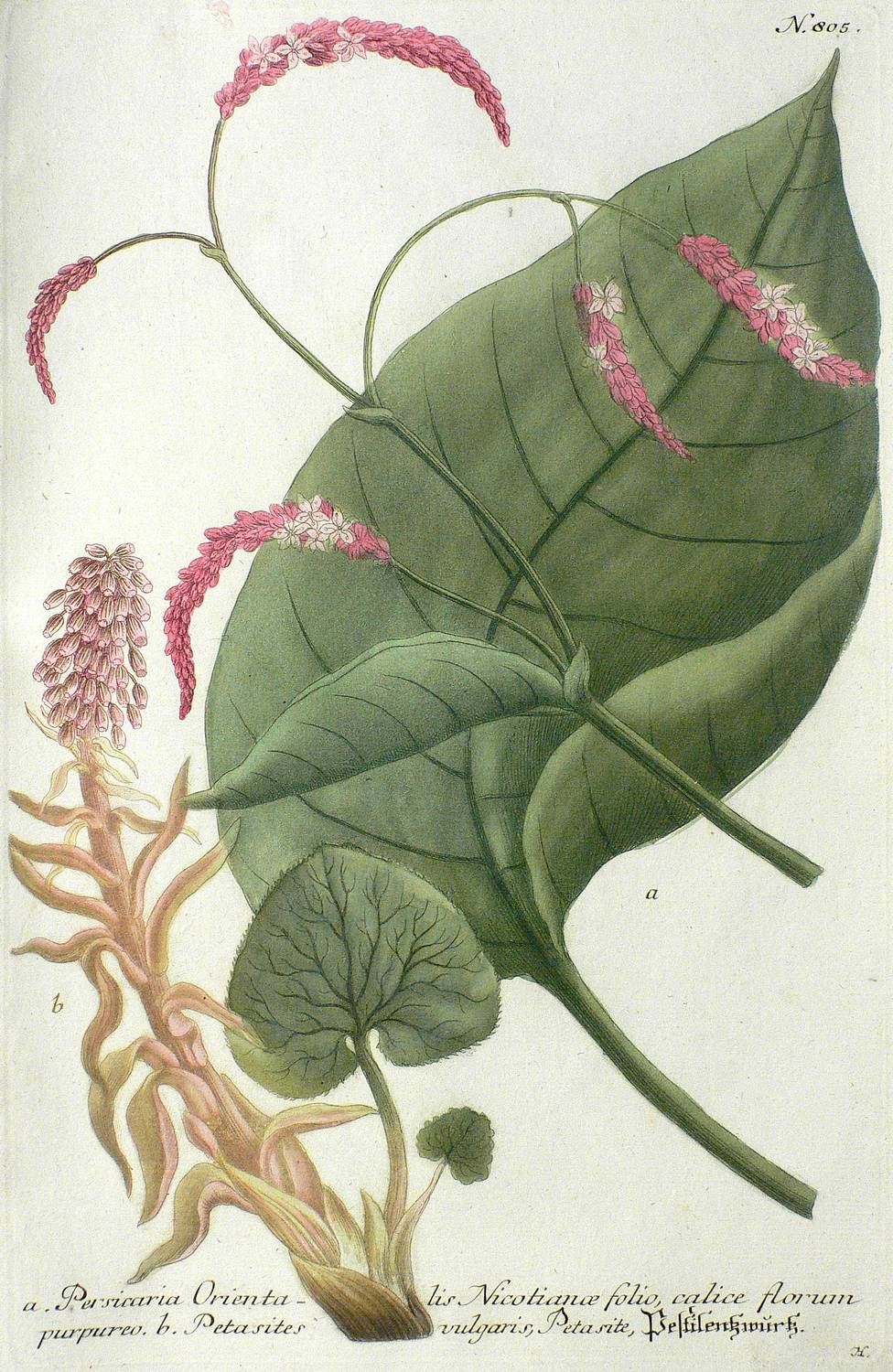
Wildkräuter. – Orientalischer Knöterich & Pestwurz. – Weinmann. – „Pestilentzwurtz”.
1742. Kupferstich / Mezzotinto, alt koloriert. – 33,4 x 21,4 cm (Darstellung / Platte).
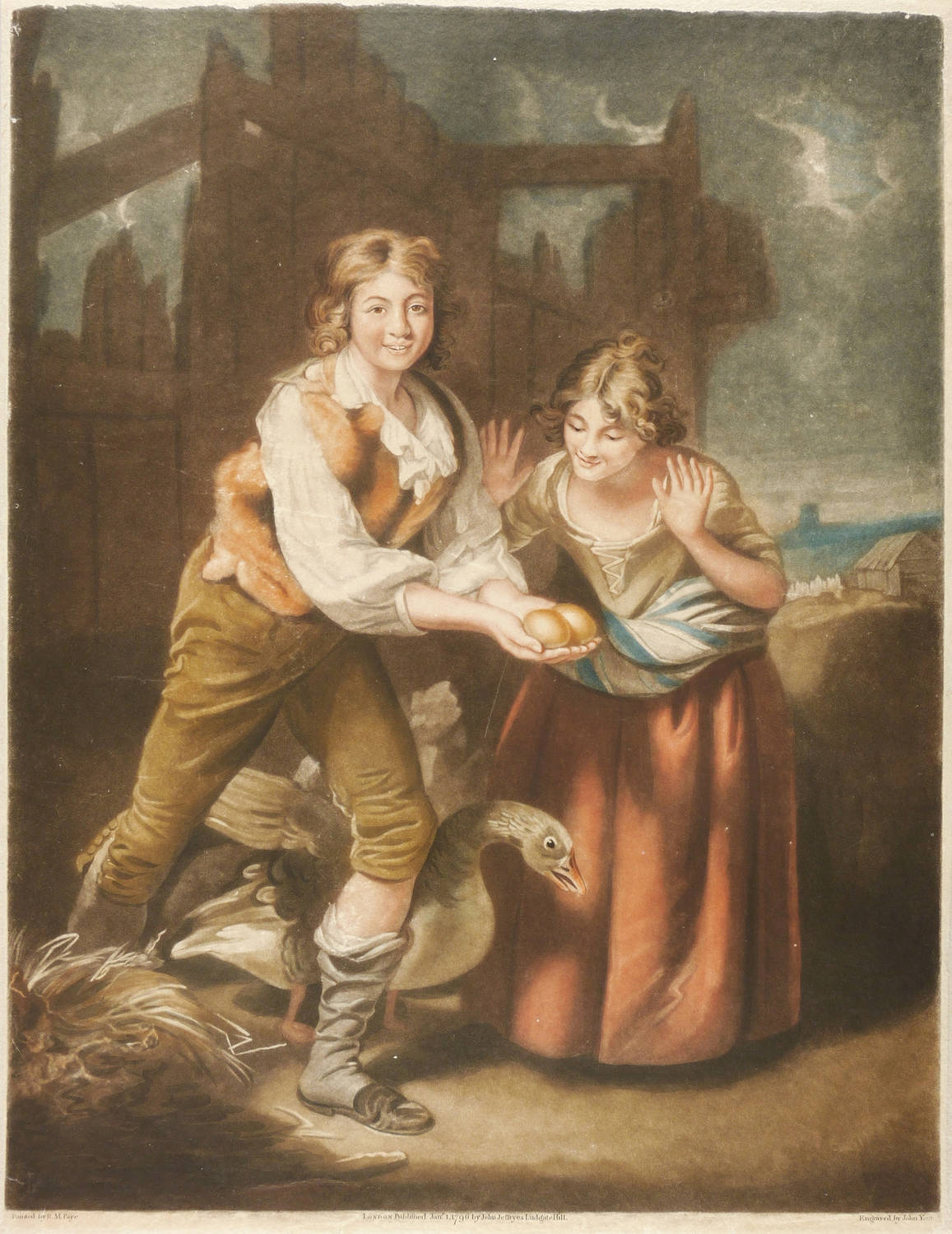
Young, John. – „The Boy Discovering the Golden Eggs”.
1796. Farbmezzotinto / Farbschabkunstblatt, auf festem hellgelbem Velin. – 56,5 x 44,0 cm (Darstellung).